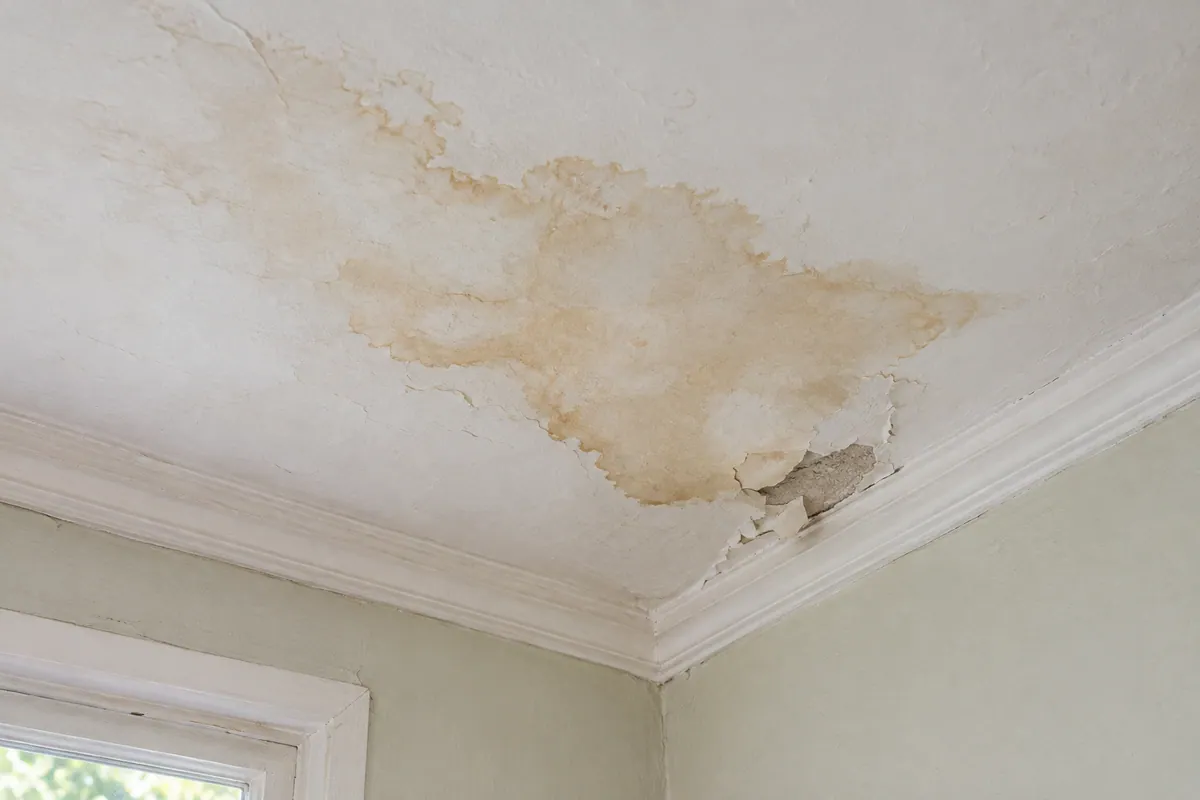
Safe access comes before a drying setup.
Do not stand beneath a bulging ceiling, press on the plaster or make a hole to release water. Water around lights and fittings also needs the appropriate electrical assessment. Call 000 for immediate danger or injury.
From a safe place, describe whether material has fallen, where water is appearing and which rooms are affected. The initial scope may need other suitably qualified trades before anyone can reach the ceiling cavity.
Consider the lining and the layers above it.
Ceiling plaster, insulation, timber and adjoining walls do not necessarily respond in the same way. The water source, contamination, condition and access affect which materials are suitable to dry and which may need removal.
A dry-looking painted surface is not proof that the materials above it are ready to enclose. Ask which parts can be checked, where access is limited and what the proposed drying work includes.
Keep the source repair connected to the drying work.
Tell us whether a roofer, plumber or building contractor has investigated the leak. Include any further water entry and any temporary protection already in place. Drying equipment cannot repair the entry point.
For water arriving from the apartment above, include the building manager or authorised access contact. There may be several properties and trades involved, so a shared understanding of the scope matters.
Plan the repair after the condition is understood.
Ask how drying progress will be checked and which materials need a decision before reinstatement. Staining may need a cosmetic repair later, while damaged linings or insulation may require a different scope.
The team can discuss ceiling drying enquiries alongside cleanup, wet insulation and repair needs. Confirm the professional scope and attendance for your address before arranging work.
Frequently asked questions
Is wet ceiling drying the same as ceiling collapse cleanup?
No. A wet but standing ceiling raises access and material-retention questions. A fallen ceiling also involves debris and unstable material. Both need appropriate safety assessment before restoration.
Can all water-damaged plaster be dried in place?
That depends on the material condition, source, contamination and safe access. Assessment may identify linings or insulation that need removal instead of drying.
Can a dehumidifier resolve the roof leak?
No. The entry point requires the appropriate repair. Explain who is addressing the source so that drying and reinstatement can be coordinated.
Find local information.
Explore wet ceiling drying enquiries by area. Confirm the available service and attendance directly with the team.